Which Chiropractor in Omaha Uses INSiGHT Scanning Technology?
Which Omaha chiropractor uses INSiGHT scanning? A factual guide to the three scans, what each measures, what they cannot tell you, and how results guide care.
Frazier Family Omaha Chiropractic uses the full INSiGHT scanning suite, and every new patient receives all three scans at their first visit. Dr. Cindy Frazier practices from a home-based office in the Dundee neighborhood and holds CACCP and FICPA pediatric certifications alongside Webster Technique certification for prenatal care.
Omaha families researching this technology often find the explanations either vague or overstated. This page explains what the technology actually is, what each of the three scans measures, what it cannot tell you, and how the results shape a care plan. The aim is a factual account rather than a sales pitch, because the value of objective measurement disappears the moment it is oversold.
What INSiGHT Scanning Is
INSiGHT is a set of three non-invasive measurement tools used to assess how the autonomic nervous system is functioning. The autonomic nervous system is the part that runs automatically: heart rate, digestion, sleep cycles, immune activity, and the shift between stress and recovery states.
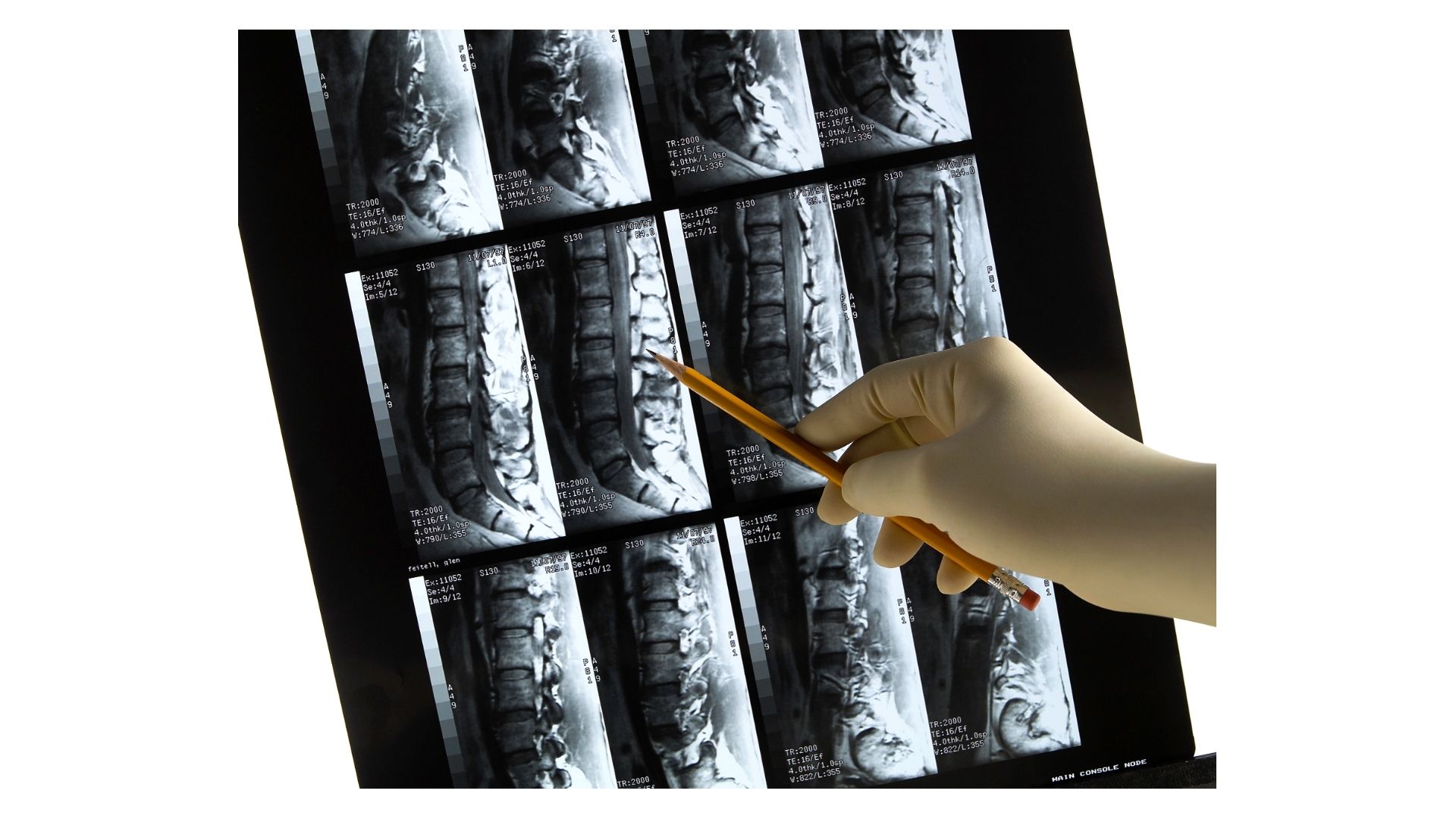
The scans do not image the spine the way an X-ray or MRI does. They measure patterns of function. That distinction matters. An X-ray shows structure. These scans show how a system is behaving.
The reason an Omaha chiropractic practice would invest in them is straightforward. Without objective measurement, assessment relies on what a patient reports, which works reasonably well for an articulate adult describing back pain and works poorly for an infant who cannot tell you anything.
The Three Scans, Explained Individually
Heart Rate Variability (HRV)
Your heart does not beat like a metronome. The interval between beats varies slightly, and that variation reflects how readily your body shifts between its stress branch and its recovery branch. HRV measures those variations using sensors placed on the skin.
Broadly, higher variability suggests a system that adapts and recovers well. Lower variability suggests a system spending more time in a stressed state with less flexibility to come back down. Research published by the National Institutes of Health describes HRV as a recognized measure of autonomic function and stress adaptation.
What it reveals: a general picture of adaptability and recovery capacity. What it does not reveal: a diagnosis, a disease, or a specific cause.
Surface Electromyography (sEMG)
Muscles produce small electrical signals when active. Surface electromyography reads those signals through sensors placed along the spine, with nothing penetrating the skin.
The resulting pattern shows where muscles are holding tension and whether that tension is balanced side to side. Chronic tension patterns often persist long after a person has stopped consciously noticing them, which is why measurement catches what self-report misses.
What it reveals: patterns and distribution of muscle activity along the spine. What it does not reveal: the reason a pattern developed, or any structural damage.
Thermography
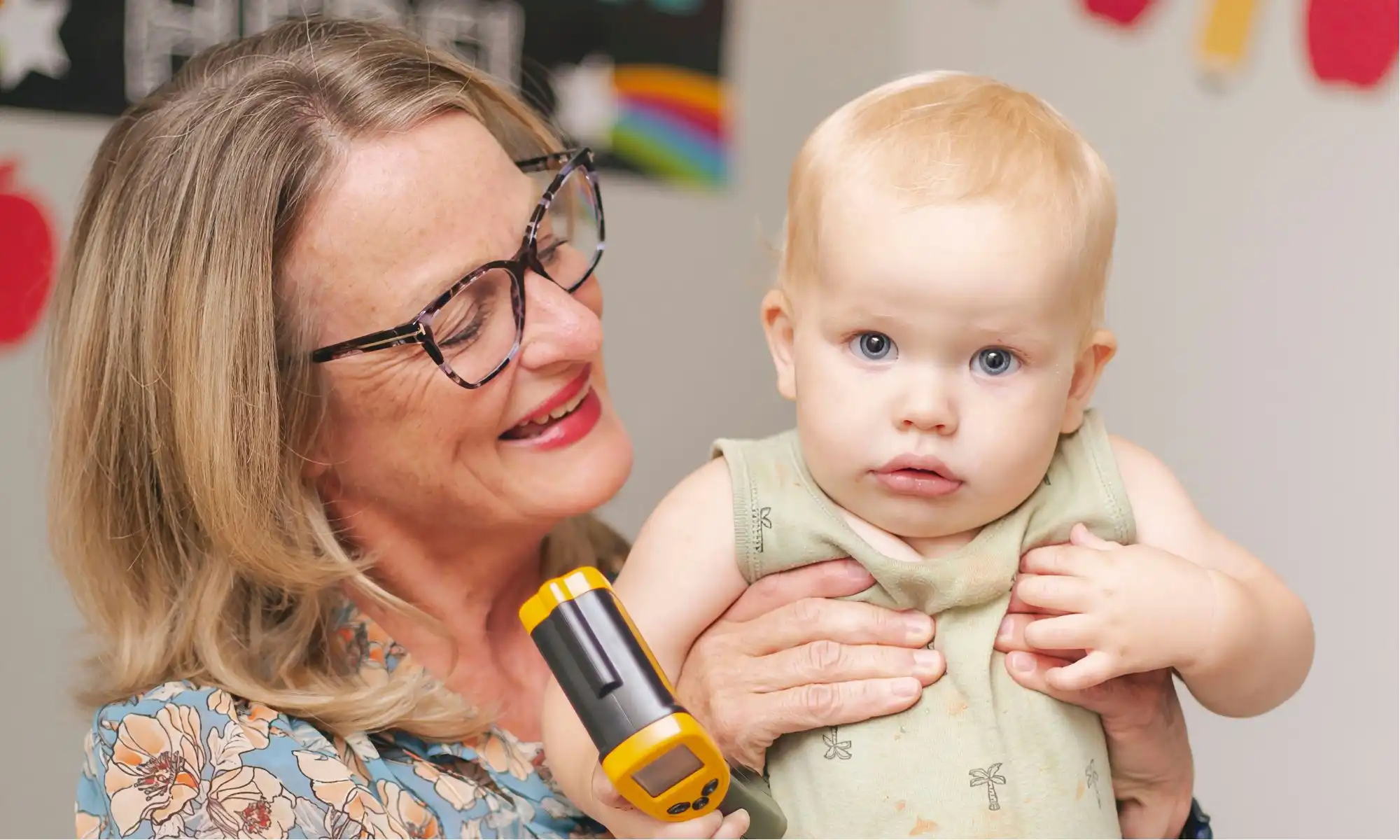
Skin temperature along the spine is partly regulated by the autonomic nervous system through blood flow control. Thermography measures small temperature differences from side to side along the spine using a handheld sensor.
Consistent asymmetries can indicate areas where autonomic regulation is uneven. The scan takes a few minutes and involves no contact beyond the sensor passing along the skin.
What it reveals: temperature patterns associated with autonomic activity. What it does not reveal: inflammation, infection, or any specific condition.
What These Scans Cannot Do
Being clear about limits: INSiGHT scans are not diagnostic tests. They do not detect or diagnose disease. They will not find a fracture, a tumor, an infection, a herniated disc, or any condition that requires medical imaging or laboratory testing. They are not a substitute for an X-ray, MRI, blood work, or evaluation by a physician.
If you have symptoms that need a medical diagnosis, see your physician. Chiropractic care complements medical care and never replaces it. The National Library of Medicine provides general background on chiropractic care worth reading alongside this.
What the scans do offer is a functional baseline that can be measured again later. That is their actual value, and it is a real one.
Why Measurement Beats Guesswork
Consider two ways of answering the question "is this working?"
Without Scanning
- Initial assessment: Based on what the patient reports
- Infants and young children: Parent observation only
- Tracking progress: Recall of how you felt
- When to adjust the plan: Judgment call
With Scanning
- Initial assessment: Report plus measured baseline
- Infants and young children: Direct measurement regardless of age
- Tracking progress: Repeat scans compared to baseline
- When to adjust the plan: Judgment informed by data
Recall is unreliable. Omaha patients routinely forget how badly they were sleeping three months ago. A baseline removes that problem. Full details of how a first visit runs are in our new practice members guide.
Safety and Why There Is No Radiation
None of the three scans emits anything into the body. HRV and sEMG read signals the body already produces. Thermography reads surface temperature. There is no radiation, no injection, no dye, and nothing invasive.
This is why the scans are used across every age including newborns, and during pregnancy. For a parent weighing whether to have a child assessed, this is usually the question that matters most. Care for children is adapted considerably by age, which is covered on our pediatric chiropractor page.
What a Scan Session Actually Looks Like
The scanning portion of a first visit takes roughly 10 to 15 minutes in total.
Step by Step
- Setup: You sit comfortably, clothed. Sensors are placed on the skin for HRV and sEMG
- HRV reading: You sit still and breathe normally for a few minutes while beat intervals are recorded
- sEMG reading: A sensor is moved down along the spine, pausing briefly at each level
- Thermography reading: A second handheld sensor passes along the spine recording temperature
- Results generated: The system produces a visual report, usually color-coded so patterns are easy to see
- Review: Dr. Cindy walks you through what the report shows in plain language
Children often find it unremarkable, since nothing is uncomfortable. Infants are typically scanned while held by a parent.
How Results Guide Care
Scan findings inform three decisions: which areas of the spine to focus on, how gentle the adjustment approach needs to be, and how often to schedule visits initially.
They also set the comparison point. Repeat scans later in care show whether patterns have shifted, which is a more reliable progress measure than asking someone to recall how they felt six weeks ago. If the data shows no movement, that is worth knowing too, and it is a reason to revisit the plan rather than continue unchanged.
Dr. Cindy's full background and approach are on the Dr. Cindy Frazier page, and the broader approach to care is covered on our chiropractic care page.
Book Your INSiGHT Scan Session
The scans are part of every first visit at our Dundee neighborhood office in Omaha. You will leave knowing what your baseline actually looks like, with the findings explained plainly and no obligation to begin care.
Call (402) 650-0090 or book online.
Frazier Family Omaha Chiropractic 105 N 54th St, Omaha, NE 68132 Phone: (402) 650-0090 Hours: Monday, Wednesday, Thursday 7:00 AM to 11:00 AM and 3:00 PM to 5:30 PM. Friday by appointment. Serving Omaha, Dundee, and surrounding neighborhoods
Frequently Asked Questions
Q: Do the scans hurt?
No. Nothing penetrates the skin and nothing is emitted into the body. Most people describe the sensors as unremarkable, which is why children tolerate the process easily.
Q: Are INSiGHT scans the same as an X-ray?
No. X-rays image structure using radiation. These scans measure patterns of nervous system function with no radiation involved. They answer different questions and are not interchangeable.
Q: Can the scans diagnose a condition?
No. They are not diagnostic tests and do not detect or diagnose disease. If you need a diagnosis, see your physician. The scans provide a functional baseline to inform chiropractic care.
Q: Are they safe during pregnancy and for newborns?
Yes. With no radiation and nothing invasive, the scans are used across every age including newborns, and during pregnancy.
Q: How often are scans repeated?
That depends on your care plan. Repeat scans are generally done periodically to compare against your baseline. Dr. Cindy will explain the timing at your report of findings.
About the Author: Dr. Cindy Frazier, DC, CACCP, FICPA, is a pediatric and family chiropractor with over two decades of experience serving Omaha families. She is Webster Technique certified, holds advanced certification through the Academy Council of Chiropractic Pediatrics, and is a Fellow of the International Chiropractic Pediatric Association.
Found this helpful? Share with others!