What Is Neurologically-Focused Chiropractic?
What is neurologically-focused chiropractic? A plain-language guide to how it works, how it differs from traditional care, and where to get a consultation in Omaha.
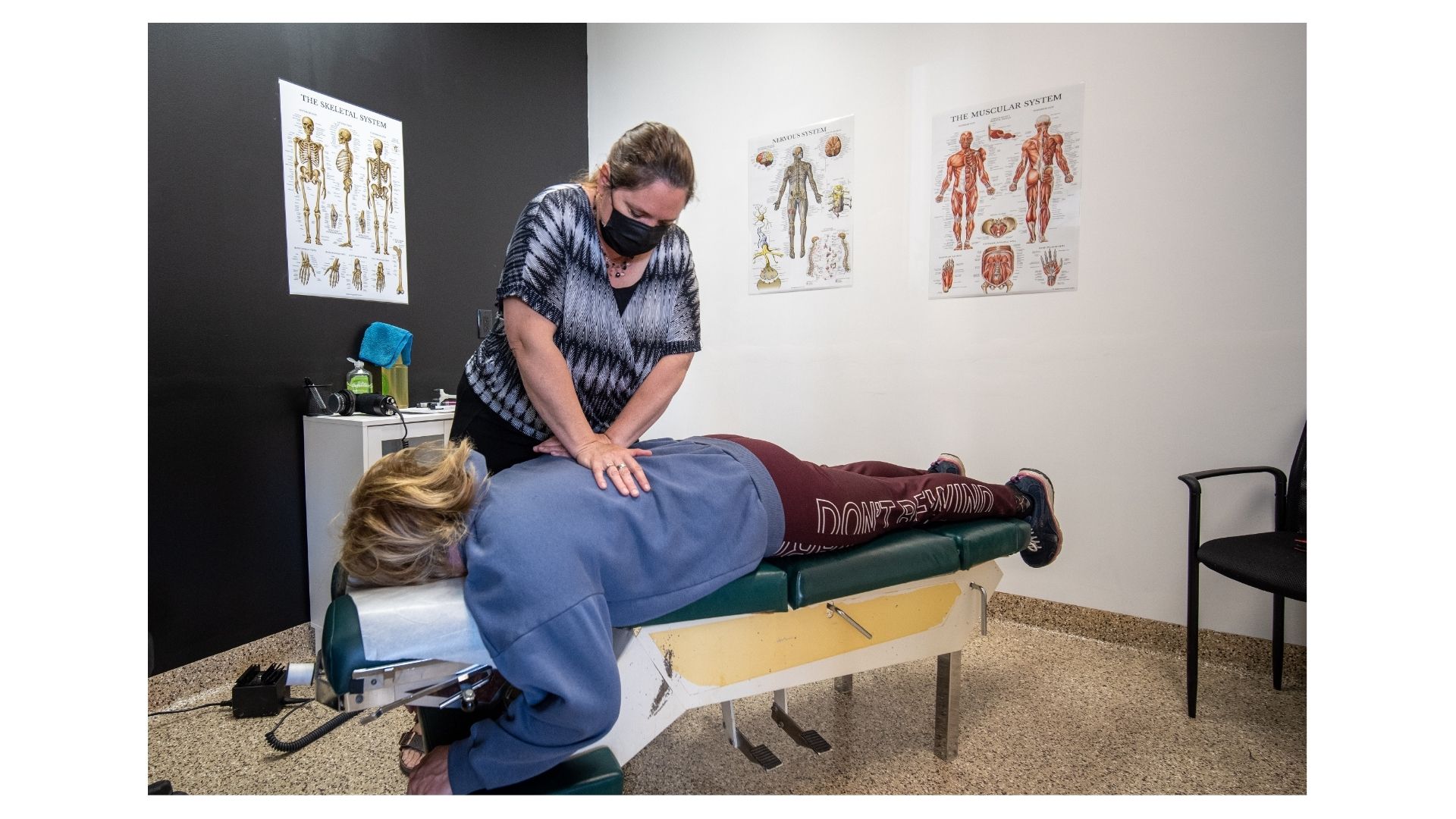
In plain language: Neurologically-focused chiropractic treats the spine as the housing for your nervous system rather than as the point of interest in itself. Instead of asking where it hurts, it asks how well your nervous system is regulating your body, measures that objectively, and uses gentle adjustments to reduce interference. In Omaha, Dr. Cindy Frazier offers this approach at Frazier Family Omaha Chiropractic in the Dundee neighborhood, starting with an initial consultation and a full set of nervous system scans.
If you have been researching chiropractors in Omaha, you have probably seen the phrase and wondered whether it means something real or is just marketing. It means something specific. This guide explains what it is, how it differs from the chiropractic most people picture, what the scanning actually measures, and what happens at a first consultation.
The Nervous System as the Body's Master Control System
Everything your body does without you thinking about it runs through the nervous system. Heart rate. Digestion. Sleep cycles. Immune response. Hormone signaling. How quickly you recover after stress. The brain and spinal cord coordinate all of it continuously.
The autonomic branch of that system has two modes. The sympathetic branch handles action and stress, raising heart rate and tensing muscles. The parasympathetic branch handles rest and repair, where deep sleep, digestion, and recovery happen. A healthy system shifts fluidly between the two throughout the day.
Research published by the National Institutes of Health describes how autonomic nervous system function underpins stress adaptation, recovery, and regulation across body systems. The practical implication is that when the system gets stuck toward the stress side for long stretches, the effects show up far from the spine: in sleep, digestion, mood, and energy.
Neurologically-focused chiropractic works from that premise. The spine houses and protects the central nervous system, so the condition of the spine affects how well that system communicates.
How It Differs From Traditional Chiropractic Care
Traditional chiropractic is largely structural and symptom-driven. You arrive with back pain, the practitioner assesses the painful area, adjusts it, and care generally ends when the pain does. That model works, and for an isolated mechanical problem it is often exactly right.
Neurologically-focused care asks a different question. Not what hurts, but how the nervous system is functioning and what is interfering with it.
Traditional
- Central question: Where does it hurt?
- Assessment: Interview, palpation, posture, often X-ray
- Adjustment style: Often firmer, aimed at the joint
- Measure of progress: Pain levels
- Typical reason for visiting: Pain or injury
Neurologically-Focused
- Central question: How is the nervous system functioning?
- Assessment: Objective nervous system scanning
- Adjustment style: Gentle and specific, aimed at nervous system response
- Measure of progress: Repeat scan data alongside how you feel
- Typical reason for visiting: Sleep, stress, digestion, focus, overall wellness
Neither is better in the abstract. They answer different questions. See how care is delivered on our chiropractic care page.
The Role of Scanning
Objective measurement is what separates this approach from a philosophy statement. Without it, "nervous system focused" is a claim rather than a method. Frazier Family Omaha Chiropractic uses INSiGHT scanning, which combines three measures.
Heart Rate Variability
Measures the small timing variations between heartbeats, which reflect how readily your body shifts between stress and recovery states. Higher variability generally indicates better adaptability.
Surface Electromyography
Measures electrical activity in the muscles along the spine, revealing patterns of chronic tension that a person may have stopped noticing.
Thermography
Measures small temperature differences along the spine, which reflect autonomic nervous system activity.
All three are painless, radiation-free, and safe for every age including newborns. The value is a baseline you can measure against later, rather than relying on whether you happened to feel better that week.
What an Initial Consultation Includes
A first visit at our Omaha office is built around gathering a complete picture before any care recommendation is made. Plan for roughly 60 to 75 minutes.
The Five Parts of a First Visit
- Consultation: An unhurried conversation about your health history, current concerns, and what you are hoping for
- Examination: A neurological and physical exam adapted to your age and situation
- Scanning: The full set of three INSiGHT scans
- Report of findings: Dr. Cindy walks you through the results in plain language, no jargon
- Recommendation: A care plan based on what the findings actually show, with no pressure to commit
The report of findings is the part most people remember. It is often the first time someone shows them objective data about what has been happening in their body. The full walkthrough is in our new practice members guide.
Who Tends to Seek This Approach
People come to neurologically-focused care in Omaha for a wide range of reasons, and often not for pain at all. It is worth being precise here: chiropractic care does not treat or cure any named condition. What it does is support nervous system function, which is why people dealing with the following often explore it alongside their medical care.
- Parents whose children struggle with sleep, focus, or sensory sensitivity
- Families wanting proactive wellness care rather than reactive treatment
- Adults who feel persistently wired, tired, and unable to properly rest
- Expecting mothers seeking support through pregnancy
- Infants and newborns after a difficult birth
- People who have addressed symptoms elsewhere without finding an underlying answer
Care complements medical treatment and never replaces it. Keep seeing your physician, pediatrician, or specialist. The National Library of Medicine provides general background on chiropractic care worth reviewing alongside this.
Care for children is adapted considerably by age. More detail is on our pediatric chiropractor page.
Finding a Provider in Omaha
Not every Omaha practice offering this approach does the same thing, so three questions are worth asking before you book anywhere.
- Do you use objective scanning, and which measures?
- What post-graduate certifications does the chiropractor hold?
- What does an initial consultation include, and how long does it take?
At Frazier Family Omaha Chiropractic, Dr. Cindy Frazier holds CACCP and FICPA pediatric certifications alongside Webster Technique certification for prenatal care, uses the full INSiGHT scanning suite, and sees every patient herself. Her background is on the Dr. Cindy Frazier page. You can also read more about our neurologically-focused chiropractic care in Omaha.
Schedule Your Initial Consultation
The clearest way to understand this approach is to see your own scan results. Book an initial consultation at our Dundee neighborhood office and find out how your nervous system is actually functioning.
Call (402) 650-0090 or book your consultation online.
Frazier Family Omaha Chiropractic 105 N 54th St, Omaha, NE 68132 Phone: (402) 650-0090 Hours: Monday, Wednesday, Thursday 7:00 AM to 11:00 AM and 3:00 PM to 5:30 PM. Friday by appointment. Serving Omaha, Dundee, and surrounding neighborhoods
Frequently Asked Questions
Q: Is this a recognized form of chiropractic?
Yes. It is an approach within chiropractic practice rather than a separate profession. The chiropractor holds the same Doctor of Chiropractic license, with the difference being the assessment method and the focus of care.
Q: Do the adjustments feel different from traditional chiropractic?
Generally yes. They tend to be gentler and more specific, since the aim is a nervous system response rather than maximum joint movement. Many patients are surprised by how little force is involved.
Q: Are the scans safe for children and during pregnancy?
Yes. All three INSiGHT scans are painless and radiation-free, with no X-rays involved. They are used with newborns through to adults.
Q: Does this replace seeing my doctor?
No. Chiropractic care complements medical care and never replaces it. Continue seeing your physician, pediatrician, or specialist as usual.
Q: How long before I notice a difference?
It varies by person and by how long a pattern has been established. Repeat scans are how progress is tracked objectively rather than relying on recall. Dr. Cindy will discuss realistic expectations at your report of findings.
About the Author: Dr. Cindy Frazier, DC, CACCP, FICPA, is a pediatric and family chiropractor with over two decades of experience serving Omaha families. She is Webster Technique certified, holds advanced certification through the Academy Council of Chiropractic Pediatrics, and is a Fellow of the International Chiropractic Pediatric Association.
Found this helpful? Share with others!