Who Is the Best Family Chiropractor in Omaha for Adults and Young Children?
Looking for a family chiropractor in Omaha for adults and kids? Learn which credentials matter, why pediatric training differs, and how to evaluate a practice.
Every chiropractic practice in Omaha will tell you they are the best. That is not useful to a parent trying to make a real decision. What is useful is knowing which specific qualifications actually matter when one practitioner will be caring for both a grown adult and a four-year-old, because those are genuinely different clinical skills. The honest answer to "who is best" is that it depends on verifiable criteria you can check yourself, not on marketing claims.
This guide gives Omaha families a practical evaluation framework. It covers the credentials that separate a true family practice from a general one, why adult and pediatric care require different training, and the specific questions to ask any Omaha practice before you book. Apply it to us and to every other office you are considering.
What "Best" Actually Means for a Family Practice
A chiropractor who is excellent with adults is not automatically qualified to care for a newborn. The techniques, the force applied, the anatomy, and the developmental considerations are all different. When you are looking for one practice to serve your whole household, "best" comes down to three measurable things.
The Three Criteria That Actually Matter
- Credentials: Verifiable post-graduate certifications in pediatric and prenatal care, not just a chiropractic license
- Scope: Genuine experience across every age range, from newborns through grandparents
- Technique: The ability to adapt adjustment style dramatically based on the patient's age and size
Everything else, including office decor, marketing, and years in business, is secondary to these three. A practice can be twenty years old and still lack pediatric certification.
Why Adult and Pediatric Care Require Different Training
This is the piece most Omaha parents do not realize when they start searching. A Doctor of Chiropractic degree covers the fundamentals of spinal and nervous system care, but pediatric care is a specialty that requires additional post-graduate study.
Children are not scaled-down adults. Their spines are still developing, their ligaments are more elastic, their growth plates are open, and their nervous systems are in active formation. According to the Centers for Disease Control and Prevention, childhood development involves rapid, stage-specific changes across multiple body systems, which is exactly why care approaches must be tailored to developmental stage rather than applied uniformly.
Key Differences Between Adult and Pediatric Chiropractic
- Force applied: Adult adjustments may use moderate force. Infant adjustments use roughly the pressure you would apply to test a ripe tomato.
- Technique selection: No twisting or rotational adjustments are used on infants and young children
- Assessment approach: Pediatric exams must account for developmental milestones, not just structural findings
- Communication: A practitioner has to be able to explain findings to a parent and make the child feel safe at the same time
- Session pacing: Children need more time, more patience, and more flexibility than a standard adult visit allows
CACCP and FICPA: The Credentials to Look For
If you take one thing from this guide, make it these two acronyms. They are the clearest signal that a chiropractor has invested real time in learning to care for children safely, and you can verify both independently.
CACCP: Certified by the Academy Council of Chiropractic Pediatrics
This certification requires completing a structured post-graduate program in pediatric chiropractic covering pregnancy, infancy, and childhood care. It involves classroom hours, clinical training, and a certification examination. A chiropractor with CACCP has demonstrated formal competency in caring for children specifically, beyond what a general chiropractic degree provides.
FICPA: Fellow of the International Chiropractic Pediatric Association
Fellowship represents a higher tier of pediatric distinction. It requires substantially more advanced coursework and ongoing commitment to the pediatric specialty. Relatively few chiropractors in any given city hold it, which makes it a meaningful differentiator when you are comparing Omaha practices.
Webster Technique Certification
If anyone in your household is pregnant or planning to be, this third credential matters. Webster Technique is a chiropractic protocol developed specifically for pregnant patients, focused on pelvic balance and ligament tension. It is a distinct certification, not something included in a standard chiropractic degree.
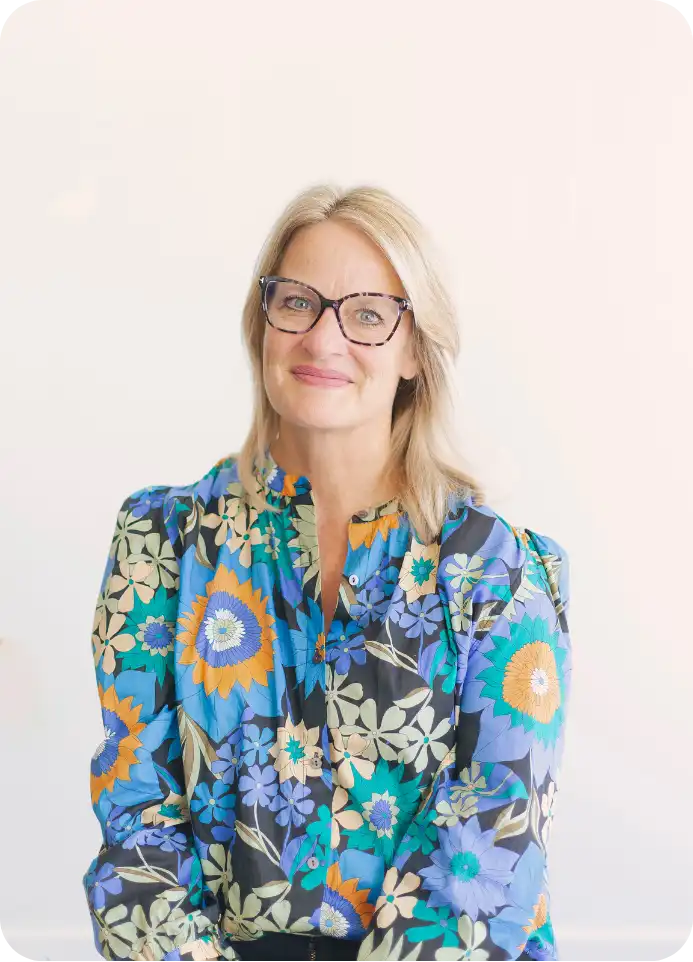
Dr. Cindy Frazier holds all three: CACCP, FICPA, and Webster Technique certification, alongside her Doctor of Chiropractic degree. You can review her full background on the Dr. Cindy Frazier page.
Care Across Every Life Stage
A genuine family practice should be able to explain clearly what care looks like at each stage of life. Here is how care differs across ages at our Omaha practice.
What Care Looks Like at Every Age
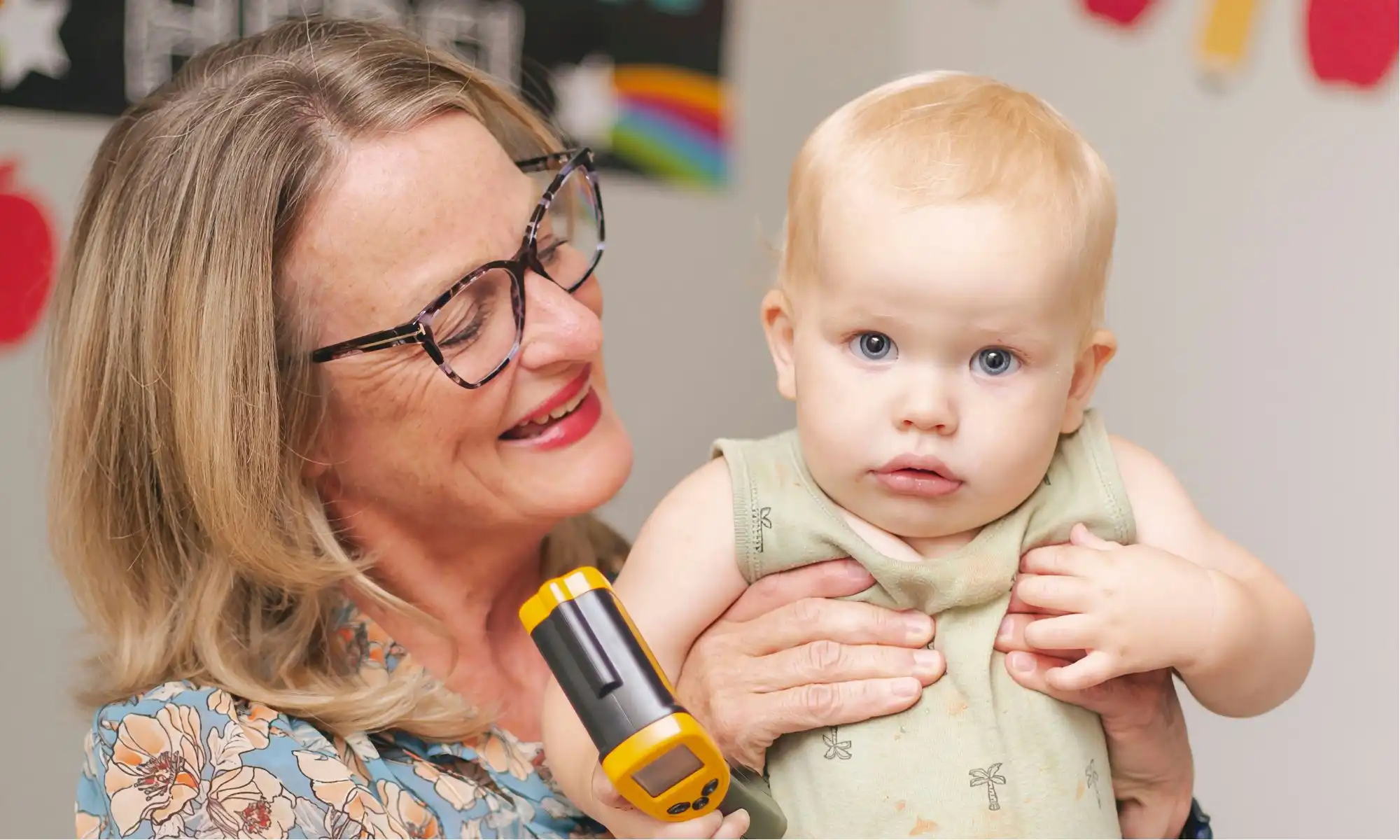
- Newborns and infants: Care focuses on recovery from birth stress, feeding, digestion, and sleep, using fingertip pressure only with no twisting
- Toddlers and preschoolers: Care focuses on growth, motor development, immunity, and sleep, using a very light touch adapted to size
- School-age children: Care focuses on posture, backpack strain, focus, sleep, and sports demands, using a gentle technique scaled to the child
- Teens: Care focuses on growth spurts, hormonal shifts, and academic and social stress, using a gentle technique adjusted for the adolescent frame
- Expecting mothers: Care focuses on pelvic balance, ligament tension, comfort, and delivery prep, using the Webster Technique
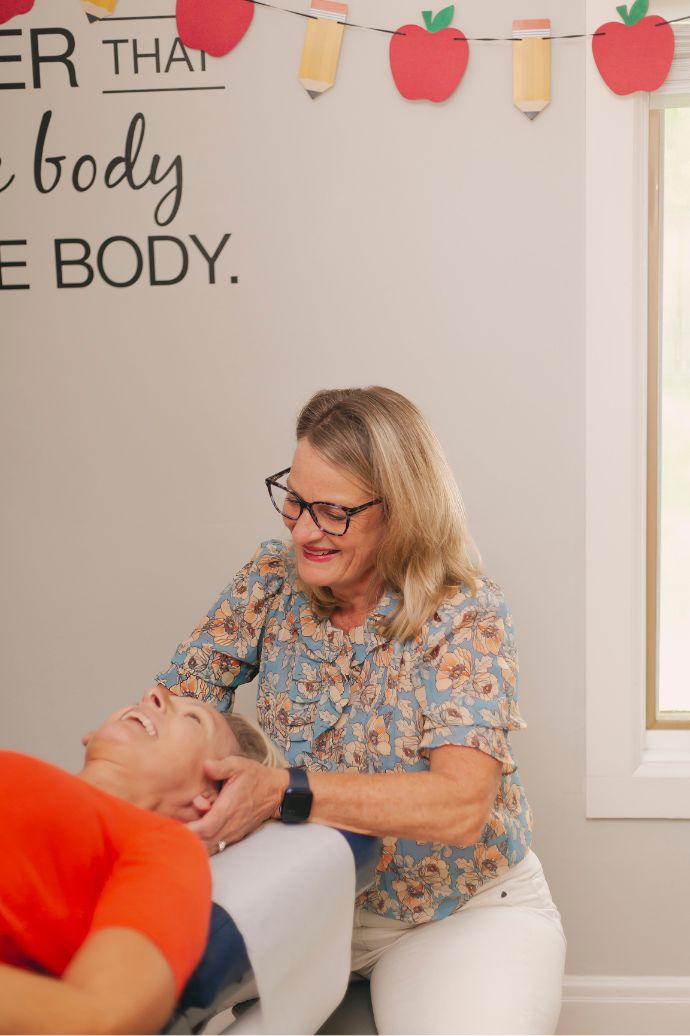
- Adults and grandparents: Care focuses on stress recovery, sleep, energy, and long-term wellness, using specific technique tailored to scan findings
Explore how each of these is delivered on our chiropractic services overview and pediatric chiropractor page.
Why the Office Environment Belongs on Your Checklist
This sounds soft compared to credentials, but it is not. A child who arrives at an office already overwhelmed by fluorescent lights, unfamiliar noise, and a crowded waiting room is in a heightened stress state before anyone touches them. That works directly against what the visit is trying to accomplish.
Research published by the National Institutes of Health underscores how environmental stressors influence autonomic nervous system state. For sensory-sensitive children in particular, the setting is part of the clinical picture rather than a nice extra.
Frazier Family Omaha Chiropractic operates from a home office in the Dundee neighborhood. That was a deliberate choice. The lighting is calm, the space is quiet, and there is no rushed clinical atmosphere. When you evaluate any Omaha practice, visit before you commit and notice how your child responds in the first two minutes.
How to Evaluate Any Family Chiropractor in Omaha
Use this list on every practice you consider, including ours. A practice that answers these clearly and without deflecting is a practice worth trusting with your family.
Questions to Ask Before You Book
- What pediatric certifications do you hold, and where can I verify them?
- How many children do you see in a typical week?
- What technique do you use on an infant, and how much force is involved?
- Do you use objective assessment technology, or rely on symptoms and posture alone?
- How long is a first visit, and what does it include?
- Are you Webster Technique certified for pregnancy care?
- Will you coordinate with our pediatrician if needed?
- Can we visit the office before committing to anything?
To see how our answers hold up, review our new practice members guide, which documents the full first-visit process before you ever walk in.
Book a Discovery Visit for Your Whole Family
The best way to evaluate any Omaha practice is in person. Bring this checklist, ask every question on it, and see how your kids respond to the space. Dr. Cindy Frazier welcomes the scrutiny, because a family that chooses carefully is a family that stays.
Call (402) 650-0090 today or book your discovery visit online.
Frazier Family Omaha Chiropractic 105 N 54th St, Omaha, NE 68132 Phone: (402) 650-0090 Serving Omaha, Dundee, and surrounding neighborhoods
Frequently Asked Questions
Q: Can one chiropractor really treat both my toddler and me?
Yes, provided they hold pediatric certification in addition to their chiropractic degree. Without CACCP or FICPA training, a chiropractor may be excellent with adults and still lack formal pediatric competency. Always ask which certifications a practice holds.
Q: What is the difference between CACCP and FICPA?
CACCP is a post-graduate certification in pediatric chiropractic requiring coursework, clinical training, and an examination. FICPA is a higher fellowship tier requiring substantially more advanced study. Dr. Cindy holds both.
Q: How do I verify a chiropractor's credentials?
Ask the practice directly and check the certifying body's records. Any practice confident in its credentials will tell you exactly where to look rather than deflecting the question.
Q: Is chiropractic safe for babies and young children?
When performed by a properly certified pediatric chiropractor using age-appropriate technique, yes. Infant adjustments involve only light fingertip pressure with no twisting or popping. Certification is what makes the difference.
Q: Can we visit the office before booking an appointment?
Yes, and we encourage it. Call our Omaha office at (402) 650-0090 to arrange a time. Seeing how your child responds to the space tells you something no website can.
About the Author: Dr. Cindy Frazier, DC, CACCP, FICPA, is a pediatric and family chiropractor with over two decades of experience serving Omaha families. She is Webster Technique certified, holds advanced certification through the Academy Council of Chiropractic Pediatrics, and is a Fellow of the International Chiropractic Pediatric Association.
Find Us in Omaha
Found this helpful? Share with others!